Invisalign®
Invisalign clear aligners make orthodontic treatment easy and effective, helping millions achieve better-looking smiles.
Invisalign near Palos Heights, IL
If you’ve been dreaming of a straighter smile, it may be time to ask about Invisalign in Palos Heights, IL.
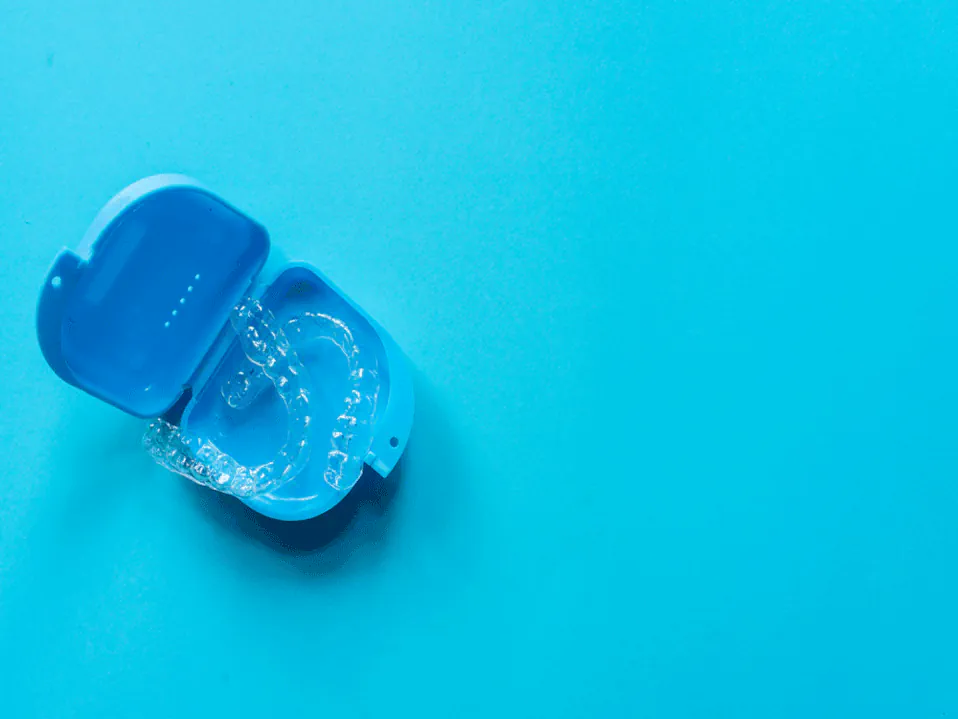
Invisalign clear aligners offer an effective, discreet orthodontic solution that fits comfortably over your teeth and gradually improves alignment and spacing. Each set of Invisalign aligners is custom-made using precise digital models of your current smile and your desired final results. As part of your treatment, you’ll switch to a new set of aligners approximately every two weeks, with each set gently guiding your teeth into better alignment. This progressive process continues until your treatment is complete, with most Invisalign cases lasting from 6 months to 2 years, depending on your individual needs.
-
How does the Invisalign process work?
To get started with Invisalign, we begin by gathering detailed records of your smile. This includes photographs of your teeth and face, digital impressions and X-rays. These records are sent to Invisalign along with precise instructions outlining your desired results at the end of treatment.
Using this information, Invisalign creates a detailed 3D model of your teeth and collaborates closely with your dentist to ensure your treatment plan is accurate and customized to your needs. Once the plan is finalized, your custom clear aligner trays are fabricated and delivered to our office. You’ll wear each set of aligners for about two weeks at a time, gradually moving your teeth into proper alignment. Treatment typically lasts up to two years, though the exact timeline will depend on your individual case and your dentist’s recommendations.
-
Invisalign vs. braces—what's the difference?
There are many differences between Invisalign aligners and traditional braces, and we’ve highlighted some of the most important ones below. While the final decision is always up to you, the introduction of clear aligners has made it possible to straighten teeth in a more comfortable, efficient and discreet way.
- Materials: Clear aligners are made from smooth, transparent plastic, while braces rely on metal wires and brackets.
- Removability: Clear aligners can be removed at any time, making it easy to eat, brush and floss. Braces, on the other hand, can only be removed by a dental professional.
- Food restrictions: With clear aligners, you can continue to enjoy your favorite foods without changing your oral hygiene routine. Braces often come with dietary restrictions and require special care to clean around wires and brackets.
- Injury risks: Clear aligners are gentle on the mouth and do not pose the risk of cuts or irritation. Braces can sometimes cause sores, cuts or discomfort from wires and brackets.
- Visibility: Clear aligners are designed to be discreet and are barely noticeable, while braces are much more visible when you smile or speak.
-
How much does Invisalign cost?
The cost of Invisalign treatment is generally comparable to the cost of traditional metal braces. That said, the total price can vary based on several factors, including your insurance coverage and the length and complexity of your treatment plan.
- Insurance coverage: Many dental insurance plans cover Invisalign in the same way they cover metal braces. Coverage is typically based on medical necessity, and treatment that is considered purely cosmetic is less likely to be included.
- Length and complexity of treatment: The number of aligners needed plays a key role in overall cost. Since you’ll switch to a new set of clear aligners every couple of weeks, treatment plans that require more aligners or longer timelines may be priced higher than simpler cases.
If you have any questions about cost or financing, we encourage you to contact our office. Our team is happy to review your insurance benefits and discuss available payment options to help make treatment more affordable.
-
Who can use clear aligners?
Clear aligners are an excellent option for many teens and adults who need mild to moderate orthodontic correction. They are commonly used to straighten crooked or misaligned teeth, close noticeable gaps and improve overall spacing. Clear aligners can also help correct certain minor bite issues.
That said, clear aligner therapy is not the right solution for every orthodontic concern. More complex alignment or bite problems may require alternative treatments. A consultation with your dentist will determine whether clear aligners are the best option for achieving your ideal smile.
More Questions?
If you have more questions about Invisalign® or other orthodontic procedures, please contact our office and we will be happy to discuss further.