Tooth Extractions
Tooth extractions are sometimes necessary to protect your overall oral health, and when they are, care is focused on making the process as smooth, comfortable, and stress-free as possible so you can recover quickly and confidently.
Tooth Extractions near Palos Heights, IL
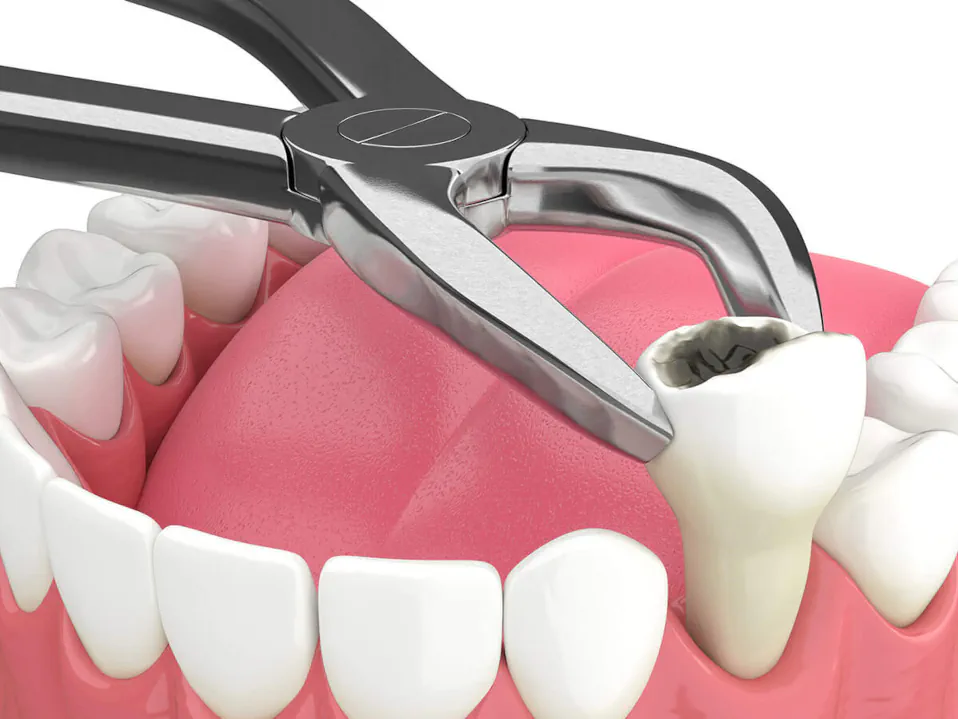
Preserving natural teeth is always the goal, but when a tooth cannot be saved, an extraction may be the best option for long-term oral health. Tooth extractions are performed using a careful, efficient approach focused on patient comfort, whether the case is routine or more complex and requires a surgical procedure. After a thorough evaluation, the area is numbed, the tooth is gently removed, and detailed aftercare guidance is provided to support proper healing, manage discomfort, and reduce the risk of complications.
-
How do I prevent dry socket after a tooth extraction?
To prevent dry socket after a tooth extraction, it’s important to protect the blood clot that forms in the socket during the initial healing period. Avoid using straws, smoking, or vigorous rinsing for at least 24–48 hours, as these actions can dislodge the clot. Stick to soft foods, follow your dentist’s aftercare instructions, keep the area clean with gentle rinsing as directed, and avoid touching the extraction site to promote proper healing.
-
What can I eat after a tooth extraction?
After a tooth extraction, it’s important to eat soft foods for the first few days to avoid disturbing the healing site and protect the blood clot. Good options include applesauce, yogurt, mashed potatoes, Jell-O, pudding, and ice cream, as these foods are gentle on the area and easy to eat while you recover.
-
When are tooth extractions necessary?
Tooth extractions are necessary when a tooth is too damaged or decayed to be restored, or when it poses a risk to your overall oral health. Common reasons include severe infection, advanced gum disease, overcrowding, impacted teeth (such as wisdom teeth), or trauma. Removing the tooth can help relieve pain, prevent the spread of infection, and protect the surrounding teeth and bone.
More questions about tooth extractions?
If you have additional questions about tooth extractions, please contact our office—we would be happy to discuss your options in more detail.