Wisdom Teeth Removal
Wisdom teeth, also known as third molars, are located at the very back of your mouth and typically emerge in early adulthood. While they don’t always require removal, they can lead to pain, crowding, or other dental issues if they do not develop or erupt properly.
Wisdom Teeth Removal in Palos Heights, IL
Many patients do not have enough space in the jaw for wisdom teeth to erupt properly, which is why these third molars—typically emerging in the late teens or early 20s—are closely monitored during routine checkups using digital X-rays. When there are signs of impaction or potential complications, removal may be recommended to prevent issues such as pain, crowding, bite problems, and an increased risk of decay or gum disease due to difficulty cleaning the area. Wisdom teeth removal is a common and effective procedure that helps protect overall oral health and prevent future complications.
-
How do I know if my wisdom teeth need to be removed?
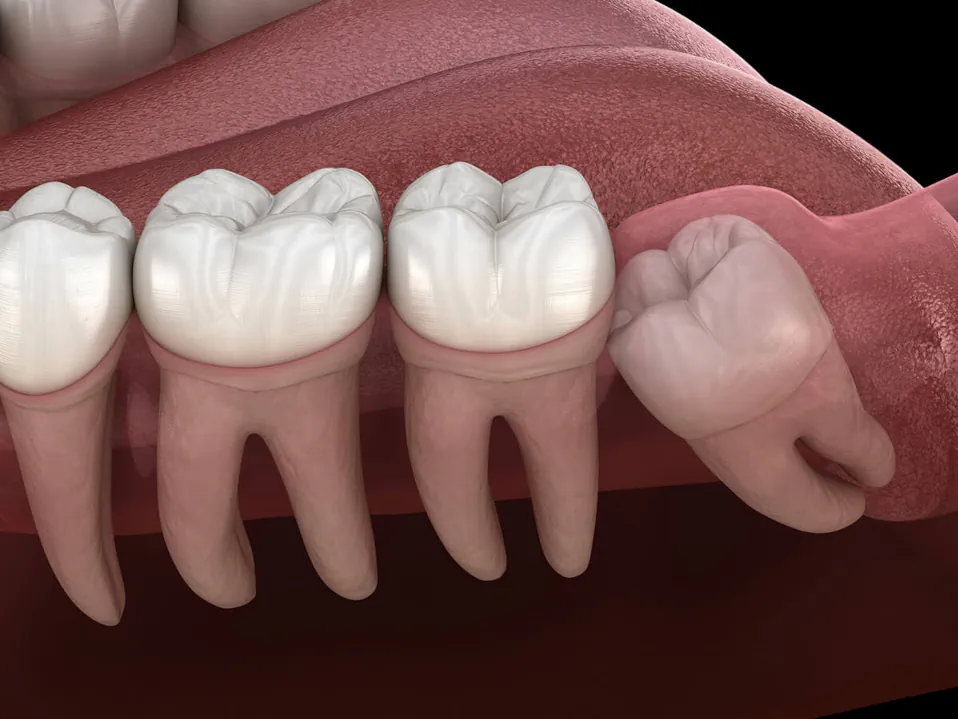
Although every patient is different, several signs may indicate the need for wisdom teeth removal, including impaction, where a tooth becomes trapped beneath the gums or jawbone and may lead to infection or cyst formation that can damage nearby teeth. Wisdom teeth may also erupt at improper angles, disrupt bite alignment, or cause crowding due to limited space, while partially erupted teeth can trap bacteria and increase the risk of gum disease, infection, and other oral health complications.
-
At what age do wisdom teeth typically need to be removed?
Wisdom teeth are most commonly removed in the late teens to early 20s, when the roots are not fully developed and the jawbone is more flexible, making the procedure generally easier and recovery quicker. However, the ideal timing can vary for each patient and depends on how the wisdom teeth are developing, their position, and whether they are likely to cause pain, crowding, or other dental issues.
-
How do I relieve wisdom tooth pain?
As wisdom teeth begin to emerge, they can irritate the surrounding gums and cause symptoms such as swelling, bleeding, headaches, or tooth pain. To help manage discomfort, you can rinse with warm salt water, apply peppermint or clove oil to the affected area, take an over-the-counter pain reliever, or use an ice pack or heating pad on your cheek. While these remedies may provide temporary relief, it’s important to visit your dentist for proper evaluation and treatment.
More questions about wisdom tooth removal?
If you have additional questions about wisdom teeth removal, please contact our office—we would be happy to discuss your options in more detail.